
Why Kids Don't Eat Enough Fish | Regal Fish
Published on 4th Aug 2026

Food for Thought: Why British Children Aren’t Getting Enough Omega 3
Good child nutrition lays a strong foundation for lifelong health, and incorporating seafood into family meals plays a huge role in keeping young bodies and minds properly nourished. Fish provides essential nutrients, most notably Omega-3 fatty acids, which are vital for healthy brain function, eye development, and cardiovascular health.
Despite these clear benefits, one in five children across the UK are missing out on the essential nutrients found in seafood. To better understand the scale of this issue, we surveyed 2,000 UK parents to explore their mealtimes and buying habits.
Our survey reveals that, while most parents recognise the importance of seafood, getting their children to eat it is a major hurdle. For many, this stems from fussy eating habits. Refusing unfamiliar textures or flavours is a normal part of childhood development, but it can leave parents feeling overwhelmed when trying to prepare healthy meals for their kids.
H2: Our Findings At A Glance
Our survey highlighted some key obstacles parents face when serving seafood at home:
- 87% of children fail to eat fish two or more times a week.
- 26% of parents say getting their kids to eat fish takes bargaining or persuasion.
- 30% of parents say the biggest obstacle is their child's refusal to try new things.
- 32% of parents hesitate to buy fresh fish because they fear it going to waste.
- 21% cite the retail price of fresh fish/seafood as the main reason they hesitate.
H2: Britain's Children Aren't Eating Enough Fish
The NHS recommends at least two portions of fish per week, including one portion of oily fish. However, our study shows that only 13% of British children meet this target. Even more concerning, more than one in five parents (21%) reported that their children never eat fish at all.
This shortfall means many young, growing bodies are missing out on the crucial benefits of Omega-3 for kids. Omega-3 fatty acids are essential for cognitive growth and learning capacity, so making sure children consume enough seafood directly supports their overall development.
Our survey also uncovered significant regional differences across the UK when it comes to fish consumption:
- South East and West Midlands: These regions recorded the highest proportions of children who never eat fish, with 25% of parents in both areas reporting that their children never consume seafood.
- East Anglia: Parents here reported the highest proportion of fish eaters, with just 11% stating their child never eats fish.
- London: The capital city leads the way in meeting health targets, with 19% of London parents confirming their children eat fish at least twice a week.
- Yorkshire and the Humber & Northern Ireland: These areas saw the lowest rates of children meeting national guidelines, at just both sitting at 8%.
H2: Why Are Parents Struggling To Get Children To Eat Fish?
Dinnertime struggles are an everyday reality for many households, particularly when cooking meals for fussy kids. According to our data, 30% of parents cite general fussy eating as their single biggest barrier at the dinner table, while 26% admit they regularly have to bargain with their children to get them to eat seafood. A further 12% report that their children refuse to eat fish in any form.
This resistance is especially strong in Scotland, where 32% of parents say that serving fish requires negotiation with their children, compared with the national average of 26%.
It's completely natural for young children to be cautious around unfamiliar foods, smells, or textures. Developing confidence around seafood takes time, and picky habits are a normal stage of growing up. What's important is understanding how to present fish in a familiar, non-threatening way.
Our findings reveal that the format of the meal is often the deciding factor for hesitant eaters. In fact, 34% of parents noted that fish cakes or fish fingers were the seafood options their child would be most willing to try. While unprocessed seafood can feel daunting to a hesitant child, breadcrumb-coated or familiar-coated options feel approachable and fun.
H2: Healthy Eating Becomes Harder During The Summer Holidays
Maintaining consistent eating routines can become noticeably more difficult when school pauses for the summer. Our survey revealed that 36% of parents find it harder to plan and prepare healthy family meals during the school break.
During term time, school lunches help make sure children receive a structured, nutritionally-balanced meal during the day. When holidays arrive, the responsibility shifts to the home, putting extra pressure on parents to organise balanced menu options every single day.
This seasonal struggle varies depending on where you live in the UK:
- Northern Ireland: Parents here experience the greatest challenge during school breaks, with 67% reporting difficulties in providing healthy meal choices over the summer.
- Wales: Welsh families report the fewest difficulties, with only 38% finding healthy meal planning harder during the holiday months.
H2: Parents Want To Cook More Fish, But Confidence Is Holding Them Back
Although many parents would like to serve seafood more often, hesitation at the shop counter is widespread. Nearly a third of parents (32%) in our survey said they hesitate to buy fresh fish because they worry their children will refuse to eat it, resulting in expensive food waste. Additionally, 21% of respondents highlighted the retail price of seafood as their main obstacle.
These worries are heightened by ongoing cost-of-living pressures, forcing families to manage household budgets more tightly and avoid foods that might be turned away at the dinner table. This is reflected in wider research from the British Nutrition Foundation, which found that 45% of British parents feel the cost of healthier food makes it harder to provide a balanced diet for their children.
Budget sensitivity also varies by region. Wales proved to be the UK's most price-sensitive region, with 27% of parents hesitating to buy fresh seafood due to cost. On the other hand, Northern Ireland proved to be the least price-sensitive area, with only 8% of parents saying that prices put them off.
Overcoming these hesitations usually comes down to choosing the right supplier. As an established online fishmonger, Regal Fish delivers high-quality, responsibly sourced seafood straight to your doorstep.
By combining convenient fish delivery with expert guidance straight from experienced Grimsby fishmongers, parents can feel far more confident finding and preparing the best fish for children, without worrying about wasting food or money.
H2: Parents Don't Need Discounts, They Need Inspiration
When asked what would help them serve seafood more often, 29% of parents pointed to money-saving offers or discount codes for online purchases. However, an even larger proportion of parents stated that what they truly need is mealtime inspiration.
A total of 39% of parents expressed a clear desire for quick, kid-approved fish recipes. Rather than just price cuts, families want practical tools that turn dinner prep into an enjoyable experience for everyone.
Parents mentioned several key resources that would boost their confidence:
- Expert advice: 23% of parents want tips from child psychologists or nutritionists on how to overcome fussy eating.
- Visual guides: 9% said they would like step-by-step video cooking guides showing how to prepare child-friendly dishes.
Interest in recipes is especially strong in younger generations. Gen Z and Millennial parents are the most eager to try new recipe ideas, with Gen Z parents also showing the strongest desire for expert nutrition advice.
Having access to simple, approachable meal ideas helps parents to introduce seafood in creative ways, whether that means involving kids in the cooking process, creating fun fishcake shapes, or blending flakes into beloved family classics.
H2: Sockeye Salmon: The Nutritious Fish Many Parents Still Haven't Discovered
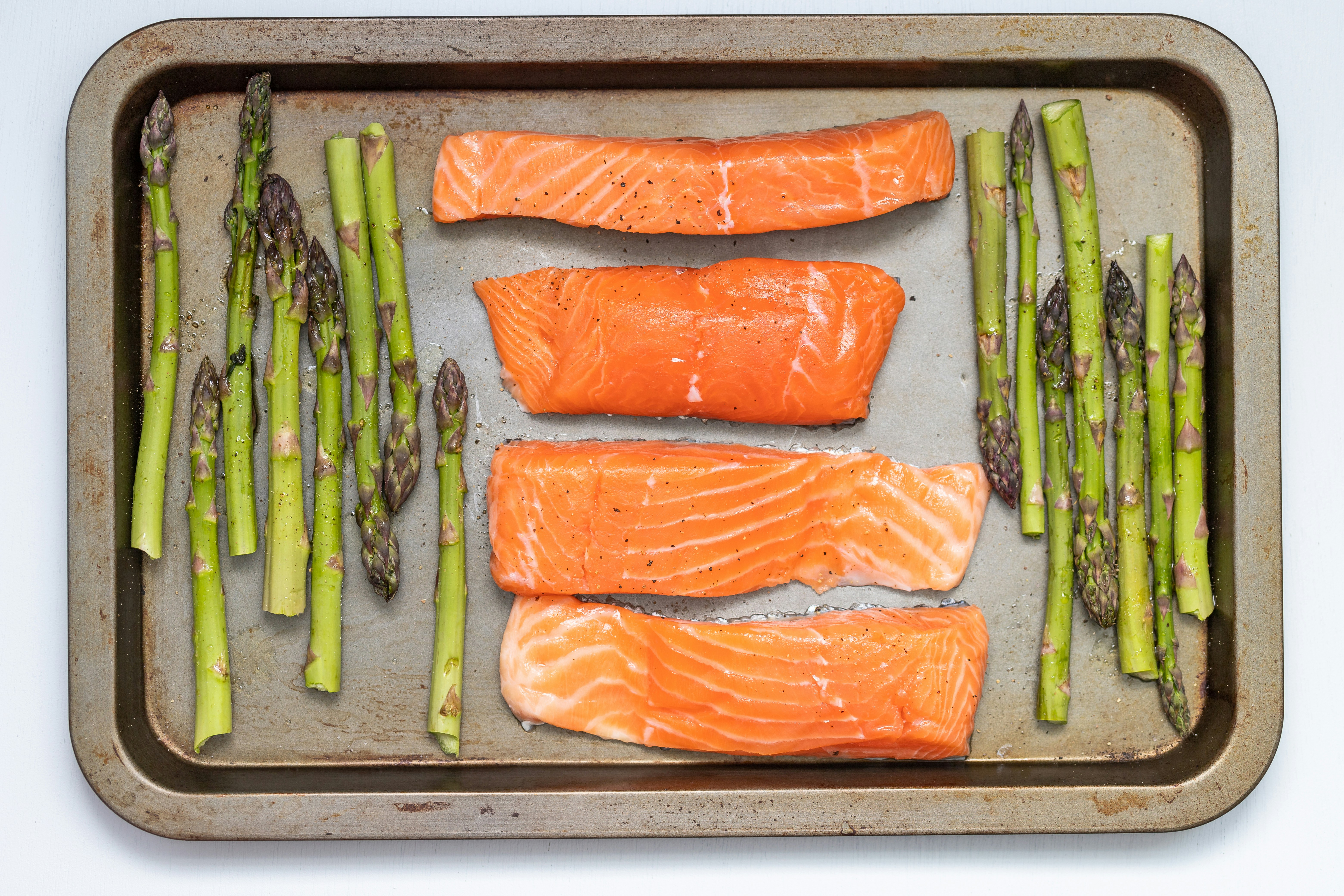
One fantastic option for family dinners is Sockeye salmon. Known for its vibrant, natural pink colour, firm texture, and rich flavour, Sockeye salmon is rich in Omega-3 fatty acids and essential vitamins, making it an ideal ingredient for nutrient-rich dishes.
Despite its impressive health benefits, Sockeye salmon still swims under the radar for many UK shoppers. Our survey found:
- 35% of parents have never heard of Sockeye salmon.
- 26% were unaware that it offers a distinct taste compared to farmed salmon.
Retail data from Seafish shows that UK consumers lean towards familiar favourites, with fresh salmon, tuna, and cod topping the list of most-purchased species.
Exploring lesser-known varieties can help to broaden young palates while offering fantastic nutritional value. If you're unsure where to start, ordering directly from trusted fishmongers means you receive expert recommendations on cuts and cooking techniques, making it easier and more cost-effective to discover delicious fresh seafood the whole family will love.
H2: Five Easy Ways To Encourage Children To Eat More Fish
Helping children build a positive relationship with seafood is all about patience and creativity.
Awareness of the health benefits fish offers varies across the country; with 39% of London parents saying they're aware of the connection between Omega-3 fatty acids and children's social development, compared to just 18% in Scotland and the South East.
While increasing awareness helps, practical strategies at home make the real difference between loading up the plate with fresh fish and actually getting your child to take a bite.
Here are five practical ways to help introduce more seafood into your weekly routine:
H3: 1. Swap The Protein In Familiar Dishes For Fish
A great place to start is by including seafood in meals your children already enjoy. Hani Girgis, eCommerce Manager at Regal Fish explains:
"One of the easiest tricks for parents is starting with dishes their children already love and simply swapping the main protein. Try flaking mild white fish or stirring tinned tuna into familiar staples like macaroni cheese, creamy pasta bakes, or homemade fish tacos."
"Mild white fish varieties like cod or haddock have a gentle flavour, meaning they blend seamlessly into family favourites without even being detectable. It's a subtle, stress-free way to introduce important nutrients into your child's diet without causing a fuss at the dinner table."
H3: 2. Choose Mild Fish First
Intense flavours can easily overwhelm young taste buds, so starting with gentle, approachable options is key.
"Strong, oily fish can sometimes feel a bit intense for little ones who are sensitive to new tastes," says Hani Girgis. "Starting with gentle choices like cod, haddock, salmon, or tuna gives children a slow introduction to eating seafood that won't overwhelm their taste buds or sense of smell."
"To make these fillets even more attractive, try pairing them with mild, familiar flavours like a creamy cheese sauce, a sweet tomato glaze, or a sprinkle of mild herbs. This familiarity helps cushion the natural taste of the fish, making every bite feel safe and comforting."
H3: 3. Texture Is Key
Sometimes a child's reluctance isn't about taste at all, but rather how the food feels in their mouth.
"When kids push fish away, it is rarely just about the taste, more often than not, it comes down to how it feels in their mouth. Finding the texture your child prefers can completely change their perception and turn a dinner struggle into an enjoyable meal," Hani Girgis says.
"Soft, flaky fillets can feel strange or slippery to a picky eater. Many children prefer a satisfying crunch, so experimenting with golden panko breadcrumbs, homemade herb crusts, or light oven-baked batters can work wonders."
H3: 4. Make It Fun And Minimise Any Pressure
Turning dinner into an interactive activity takes the stress out of eating new foods, as Hani Girgis explains:
"Children respond to new foods much more positively when dinner feels interactive, rather than like a chore. Try serving mini homemade fishcakes, cutting fillets into fun nugget shapes, or setting up a 'build-your-own' fish taco station with colourful bowls of toppings that let them get their hands involved."
"Giving children control over how they put their plate together takes the pressure off mealtimes completely. When kids feel included and relaxed, they're naturally much more curious and willing to give different flavours a try."
H3: 5. Stay Calm And Persistent
The core to introducing anything new to your child's diet is patience.
"Building healthy, long-term eating habits is a marathon, not a sprint, so try not to feel discouraged if a dish gets rejected on the first attempt," says Hani Girgis. "Patience and a relaxed atmosphere at the dinner table are the most effective tools for helping children build confidence with foods."
"Child psychologists say it can take up to ten tries for a child to accept a new food. Keep servings small and pressure-free, and don't forget to celebrate tiny wins like taking a single bite or touching the food. It's also smart to offer fish prepared in several different ways over time to avoid children becoming resistant to other formats."
H2: Helping Families Build Healthier Eating Habits
Encouraging children to eat more fish doesn't take advanced culinary skills or stressful dinnertime battles. As our survey shows, parents don't need complicated answers, they want simple, flexible ideas and guidance to make easy family meals at home.
By making small, gradual adjustments, like choosing easy-to-cook cuts, serving fun textures, or swapping proteins in popular recipes — families can introduce vital nutrients into young diets without fuss.
Looking for dinner inspiration? Explore our collection of delicious recipes designed to help you prepare healthy dishes with ease.
Methodology:
To better understand these challenges, Regal Fish commissioned a survey of 2,000 UK parents, exploring attitudes towards children's diets, barriers to buying and cooking fish, and the support that families need to introduce more seafood into their meals.
The survey explored children's eating habits, mealtime challenges, purchasing behaviours, confidence in preparing seafood and awareness of different fish products, including Sockeye Salmon. Responses were analysed nationally and by region, age, and gender to identify notable trends and regional differences.
The survey was carried out in July 2026, and all information was correct at the time of writing.